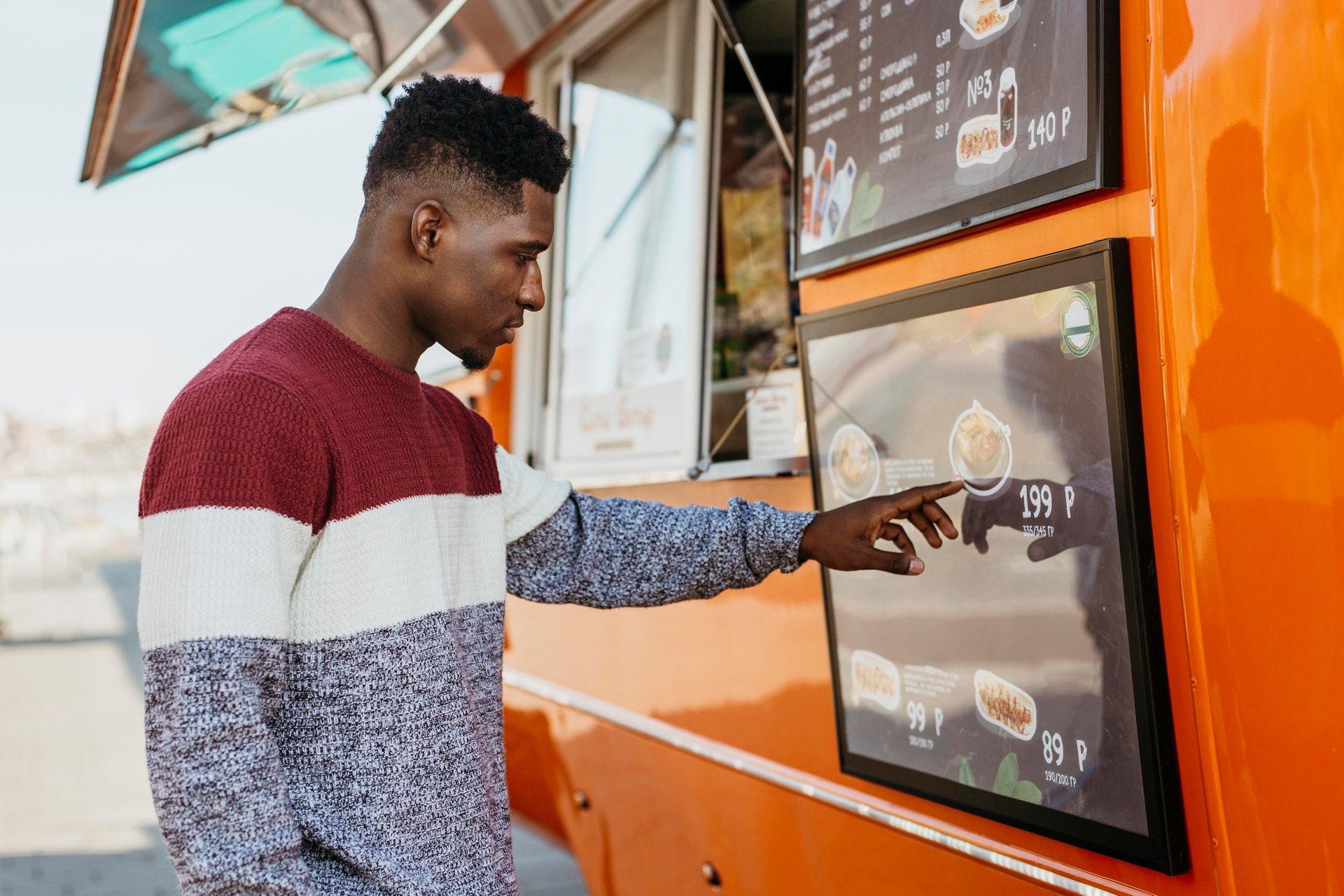
Should Your Restaurant Use an Ordering Kiosk?
Walk into a fast-casual restaurant these days, and there's a good chance you'll place your order at a screen instead of talking to a cashier. Ordering kiosks have exploded across the industry, showing up everywhere from national chains to independent neighborhood spots looking to speed up service and cut labor costs. For some restaurants, the key benefit is shorter lines and bigger average orders.
But just because your peers are installing kiosks doesn't mean it's the right call for your restaurant. Before you invest in new hardware and software, it's worth taking a hard look at what kiosks actually deliver, and what they might cost you in the process.
The Case for Kiosks
The biggest draw for most owners is labour savings. Kiosks might not necessarily be needed replace full-time staff, but they can reduce the need for additional stuff, particularly during peak hours. For restaurants dealing with rising minimum wages and staffing shortages, that alone can justify the investment.
Kiosks also tend to boost average ticket size. Customers browsing a screen are more likely to add a side, upgrade their drink, or try a dessert than they are when ordering out loud to a cashier standing right in front of them.
Speed is another advantage. During peak hours, multiple kiosks can take orders simultaneously, reducing wait times at the register.
Order accuracy improves, too. When customers type in their own order, there's less room for mishearing a request or a rushed employee entering the wrong item. Fewer mistakes mean fewer remakes and fewer frustrated customers.
The Case against Kiosks
For all their benefits, there are some drawbacks to consider when it comes to ordering kiosks.
The upfront investment, which typically covers hardware, software licensing, and ongoing maintenance fees, can be hefty, especially for independent restaurants without the buying power of a larger chain.
Kiosks can also work against restaurants that rely on hospitality as part of their identity. A regular who's greeted by name, or a server who remembers their usual order, is having an experience a screen can't replicate. For places where that personal touch is the whole point, a kiosk can feel like a step backward rather than an upgrade.
To that end, kiosks simply don't fit every concept. Fine dining, small independent spots built around personal service, and restaurants where the ordering conversation is part of the experience are unlikely to benefit from replacing that interaction with a screen.
Questions to Ask before Deciding
Before signing a contract, it's worth thinking through whether a kiosk is right for nyour restaurant. Start with your concept and price point: are you fast-casual, where speed and efficiency matter most, or full-service, where the interaction with staff is part of what customers pay for?
Next, identify if you have any bottlenecks around ordering. Are labour costs eating into margins, long lines during peak hours, or order accuracy issues causing remakes and complaints? A kiosk solves different problems depending on which one you're facing, but if you’re not facing any of these issues, a kiosk may not be necessary.
Finally, consider whether a hybrid approach makes more sense than an all-or-nothing switch. Many restaurants keep a staffed register alongside one or two kiosks, giving customers a choice rather than forcing everyone through the same interface. That middle ground can capture some of the labour and speed benefits without alienating the customers who prefer a person.
Of course, every restaurant is different, and the right answer depends on your concept, your customers, and your biggest operational pain points. AppyKiosk works with restaurants of all sizes to figure out whether self-ordering technology fits their business, and if so, how to roll it out without disrupting the experience your regulars love.
Want to see what a kiosk system could look like for your restaurant? Get more information about AppyKiosk.